Get The Best Treatments For Cancer with Breast Cancer Treatment in Mumbai |15+ Yrs of Experience | 5000+ Surgical Experience | 600+ rehabilitated Patients.
Table of Contents
Breast Cancer Treatment in Mumbai
Overview
Breast cancer remains one of the most common cancers among women worldwide. Despite major advances in treatment and technology, early detection continues to be the single most effective way to save lives.
In India, one in 28 women is at risk of developing breast cancer during her lifetime. Unfortunately, a large percentage of cases are still diagnosed in the later stages—when treatment becomes more complex and survival rates drop.
As a leading Breast Cancer Surgeon in Mumbai, Dr. Prasad Kasbekar emphasizes that awareness, regular screening, and timely diagnosis can make a life-saving difference.
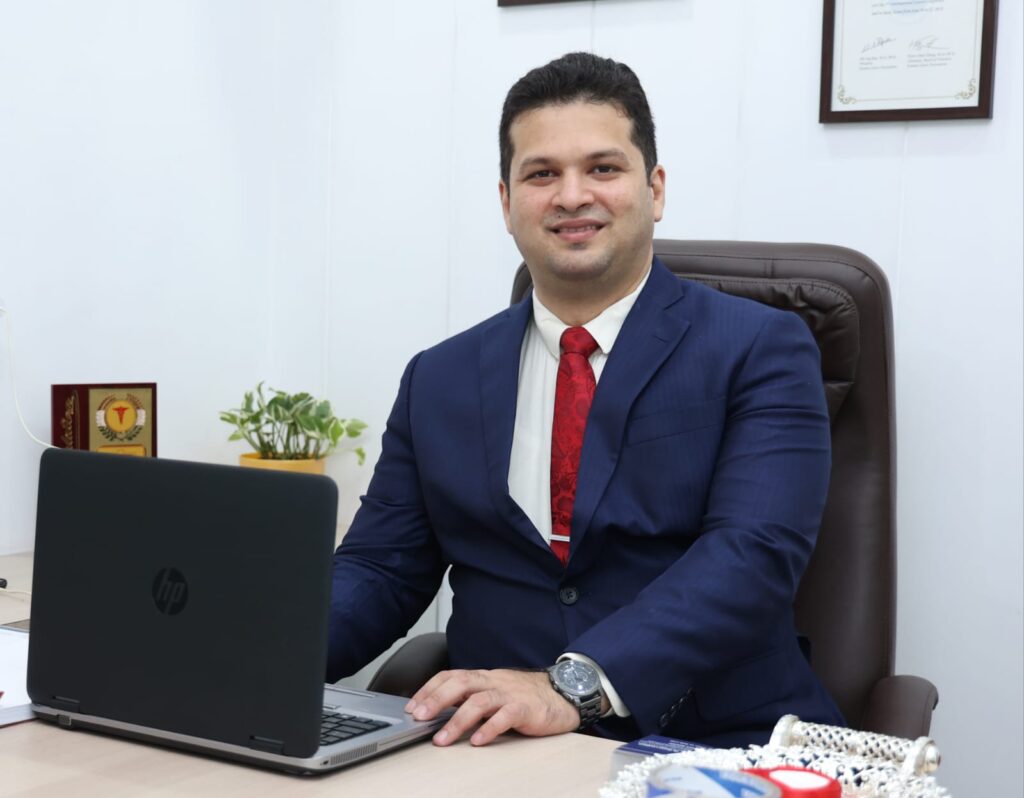
About Dr Prasad Kasbekar
- M.S. (General Surgery)
- M.Ch. (Surgical Oncology) – Gujarat Cancer Research Institute, Ahmedabad, India
- Fellowship in Artificial Intelligence & Robotic Cancer Surgery – Yonsei University Hospital & Severance Hospital, Seoul, South Korea
- F.E.B.S. – Fellow of the European Board of Surgery
- F.A.C.S. – Fellow of the American College of Surgeons
- F.A.L.S. – Fellow in Advanced Laparoscopic Surgery
Understanding the Global Breast Cancer Challenge
1. Rising Global Incidence
Breast cancer is now the most diagnosed cancer worldwide. Rapid urbanization, lifestyle changes, obesity, and late childbirth are driving rates upward, especially in developing countries like India.
Yet, survival rates vary dramatically—from over 90% in early-stage cancers to less than 30% in advanced stages—highlighting the urgent need for awareness and timely detection.
2. Why Early Detection Matters
Early detection remains the cornerstone of successful breast cancer treatment. When identified early:
- Treatment is simpler and more effective
- Breast-conserving surgery is often possible
- Chemotherapy requirements may reduce
- Survival and recovery rates significantly improve
According to Dr. Prasad Kasbekar, regular screening can detect tumors when they are less than 1 cm—long before symptoms appear.
3. Common Signs & Symptoms Women Should Watch For
While not all lumps are cancerous, awareness is key. Watch for:
- A new lump or thickening in the breast or underarm
- Changes in breast size, shape, or skin texture
- Inverted nipple or unusual nipple discharge
- Redness, dimpling, or pain in the breast area
If any of these signs persist, consult a breast cancer specialist immediately.
4. Screening: Your Best Defense
Dr. Prasad Kasbekar recommends the following for early detection:
- Monthly breast self-exams (from age 20 onwards)
- Clinical breast examination every 1–3 years (from age 25)
- Annual mammograms (starting at age 40, or earlier if high-risk)
- Genetic counseling and BRCA testing for those with a family history
These steps can detect cancer before symptoms appear—greatly improving long-term outcomes.
5. Advances in Breast Cancer Treatment in Mumbai
Mumbai has become a leading destination for advanced breast cancer care, offering:
- Breast-conserving surgeries with aesthetic reconstruction
- Sentinel lymph node mapping to avoid extensive dissection
- Oncoplastic and reconstructive techniques for cosmetic restoration
- Targeted therapies and immunotherapies based on tumor genetics
Dr. Prasad Kasbekar’s expertise in robotic and oncoplastic surgery ensures both complete tumor removal and cosmetic satisfaction, helping patients heal physically and emotionally.
Frequently Asked Questions
Your questions answered
From age 40 onward, women should get a mammogram once a year, or earlier if they have a family history of breast cancer.
No, most breast lumps are benign. However, only a proper medical evaluation and imaging can confirm this. Early testing is always safer.
Yes. Many patients qualify for breast-conserving surgery where only the tumor is removed, preserving most of the breast.
With minimally invasive or robotic-assisted surgery, patients often return to normal activities within 2–3 weeks, depending on the procedure.
Trustindex verifies that the original source of the review is Google. Excellent surgeon Explained everything about patient in detailed Encouraging Polite in nature CaringPosted onTrustindex verifies that the original source of the review is Google. Great oncologist... very helpful doctor and staff . Always cleared all my doubts regarding surgery before and after surgery and was very co operative and supportive throughoutPosted onTrustindex verifies that the original source of the review is Google. According to me they are best, they corporate me very well . Gave the best treatment and treat patients like a family ❤️Posted onTrustindex verifies that the original source of the review is Google. Sir is a best Onchologist and Cancer Specialist in Mumbai.Posted onTrustindex verifies that the original source of the review is Google. Immediately after noticing the nodule in my mother's rt breast I consulted Dr Prasad Kasbekar . very supportive doctor with positive attitude . After meeting him my mom got relaxed and felt very happy that she is in able hands . Finally got operated on 30 th April 25 . Full rt breast mastectomy with removal of 13 lymph nodes .she started walking from the next day of surgery and today fit and fine.all thanks to God that he gave us Dr Prasad Kasbekar for the treatment and surgery. God bless Dr Prasad 🙏🙏.Posted onTrustindex verifies that the original source of the review is Google. Best doctor ever, honest kind N helping guides properlyPosted onTrustindex verifies that the original source of the review is Google. I underwent Thyroid Surgery with Dr. Prasad Umesh Kasabekar at Jaslok Hospital on 26/02/2025. It was a very good experience having a surgery done by Dr. Kasbekar. Also I must mention that the recovery was faster than the expectation. My sincere gratitude to Dr. Prasad Kasabekar.Posted onTrustindex verifies that the original source of the review is Google. Dr.prasad kasbekar he is best oncologist Laprosurgeon. Kind and friendly. Nature is very helpful. They do my surgery and asure me about my health. They came to checked me regularly and by each possible way care and advise me. Thanks to him and his team.Posted on
You don’t have to go through your life struggles alone. Reach out today.
Dr Prasad Kasbekar – Breast Cancer Treatment in Mumbai